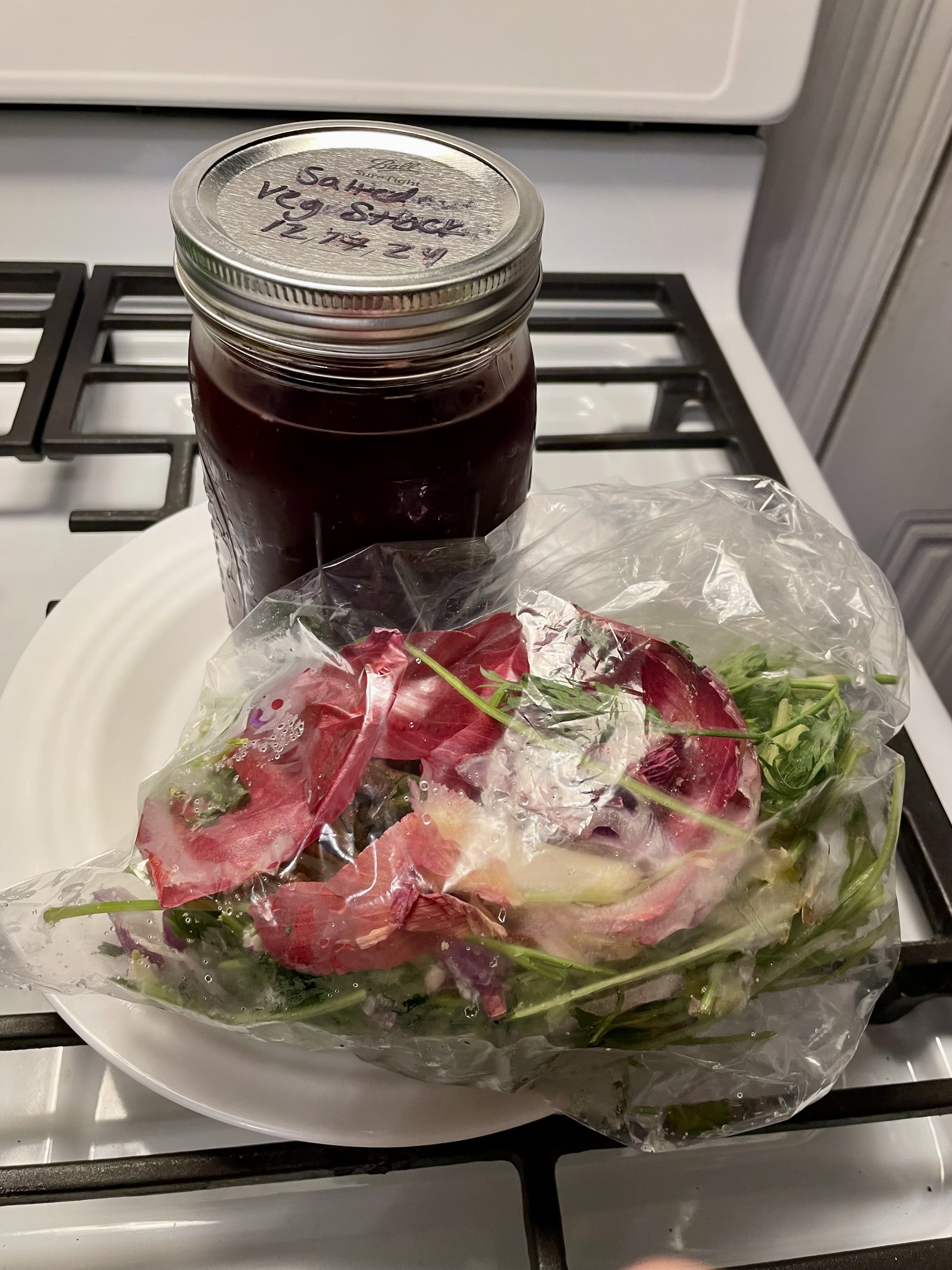
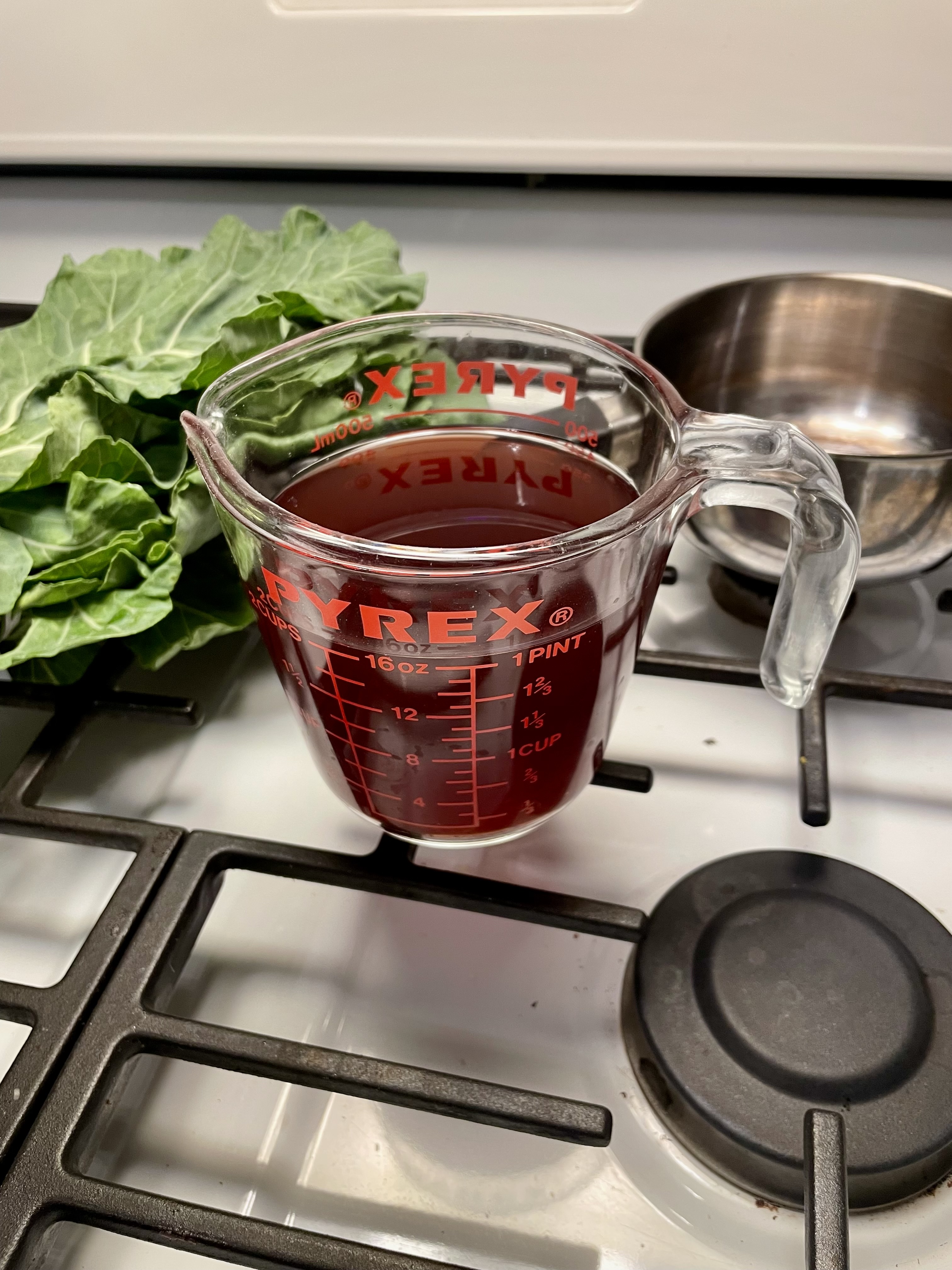
Have you ever looked at the scraps from your cutting board and wondered if they could serve a greater purpose? With homemade vegetable stock, they can. By transforming high-quality food scraps into nutrient-rich vegetable stock, you can create a flavorful base for soups, stews, and countless dishes while reaping numerous benefits for your health, your wallet, and the planet. Here’s how to make it happen.
The Nutritional Goldmine in Food Scraps
Many of the parts of vegetables we typically discard are packed with nutrients:
- Allium Skins (Onion, Garlic, etc.): The skins of onions and garlic are rich in minerals like calcium, magnesium, and potassium, which support bone health, muscle function, and hydration. They also contain antioxidants that can boost immunity.
- Kale and Greens Stems: Kale stems are a powerhouse of fiber, helping digestion and gut health. They also contain glucosinolates, compounds known for their potential anti-inflammatory and cancer-preventive properties.
- Apple Cores: Though often tossed, apple cores contain pectin, a type of soluble fiber that aids digestion and can help lower cholesterol levels.
- Carrot Peels and Tops: These contain beta-carotene, a precursor to vitamin A, which is essential for eye health and immune function.
By using these scraps in homemade stock, you extract these nutrients into a form that’s easy to consume and versatile in cooking.
Homemade Stock vs. Store-Bought
While store-bought vegetable stocks are convenient, they often fall short nutritionally. Many contain added sodium, preservatives, and lack the robust flavor of homemade stock. Additionally, by making your own:
- Save Money: You’re utilizing what would otherwise be waste, reducing the need to purchase stock.
- Reduce Waste: Instead of sending nutrients back to the earth prematurely, you’re getting a second use out of them before composting.
- Tailor Flavor: Customize your stock to your taste preferences and dietary needs, such as low sodium or organic-only ingredients.
How to Make Vegetable Stock from Scraps
Here’s my tried-and-true method for making vegetable stock:
- Collect Scraps: Save your high-quality food scraps (no moldy or rotten bits) in a plastic bread bag or another freezer-safe container. Examples include onion and garlic skins and bottoms, pepper or green bean tops, stems of greens, peels of root-vegetables (carrots, potatoes, etc.), and apple or cabbage cores.
- Store Them in the Freezer: Keep adding to the bag until it’s full, or until you need vegetable stock.
- Prepare the Stock: Empty the frozen scraps into a large pot and cover them with water. Add a few dried cloves or bay leaves for extra depth of flavor.
- Cook: Bring the water to a boil, then reduce the heat and simmer for at least 20 minutes or up to an hour. For richer flavor, let it simmer longer.
- Cool and Strain: Turn off the heat and let the stock sit for another 20 minutes. Strain the liquid into a clean container, such as quart jars, and discard the scraps into your compost bin.
- Season and Store: Label your jars and, if desired, add salt to taste. Store in the refrigerator or freezer.
Cooking with Your Stock
Homemade vegetable stock can elevate your cooking, adding depth and richness to soups, stews, risottos, and even grains like rice- my favorite way to use it- and quinoa. It’s a simple way to integrate more nutrients into your meals while cutting down on processed ingredients.
A Sustainable Choice
By turning scraps into stock, you’re increasing the sustainability of your cooking process. You’re reducing food waste, conserving resources, and taking full advantage of the nutrients in your produce. Plus, composting the strained scraps ensures nothing goes to waste.
A Final Tip
Experiment with different combinations of scraps to create unique flavors. Add herbs like parsley stems or bay leaves, or throw in a mushroom stem or two for umami richness. With a little creativity, your food scraps can truly become liquid gold!
Happy New Year!! And happy composting in 2025!🥳🎆

