Creative Ways to Reuse Compostables: Egg Shells and Cartons

With a little creativity and time, you can turn what might otherwise end up in the trash into useful, practical items—all while reducing your environmental footprint. Here are some simple and resourceful ways to reuse egg cartons and shells.


Reusing Egg Shells for Birds and Soil

Eggshells are an excellent source of calcium carbonate, making them incredibly useful for both wildlife and your garden. Here’s how you can reuse eggshells effectively:

Support Local Birds: During spring, birds need extra calcium for egg production. Chicken eggshells* provide a perfect supplement. Add crushed eggshells to bird feed or spread them on a tray or the ground. Even if some shells aren’t eaten, they’ll still enrich the soil as they break down.

Amend Acidic Soil: Eggshells act as a natural soil conditioner, similar to agricultural lime. Calcium carbonate is the prime component in both bird egg shells and agricultural lime. This makes egg shells perfect for improving acidic soils on a budget.

Don’t skip the washing and drying out of the eggshells before putting them outside—the slimy membrane inside is highly attractive to rodents and other pests due to its high nutritional content, specifically its protein and collagen, which also are part of what makes them difficult to break down on their own.

Instructions:

  1. Collect about half a carton’s worth of eggshells and rinse thoroughly until they’re no longer slimy
  2. Spread the clean shells on a parchment-lined cookie sheet
  3. Preheat the oven to 250°F and bake the shells for 10-15 minutes until dry but not browned
  4. Crush the dried shells
  5. Lift the corners of the parchment to funnel the crushed shells into a container for easy distribution.
  6. Add them to bird feeders, trays, or broadcast them over the ground to benefit your garden or yard birds
  7. Make more egg-shell crumbs as often as the birds gobble them up. Or as often as your soil needs amending.
  8. Wish your bird friends a happy nesting season!

DIY Fire Starters from Egg Cartons
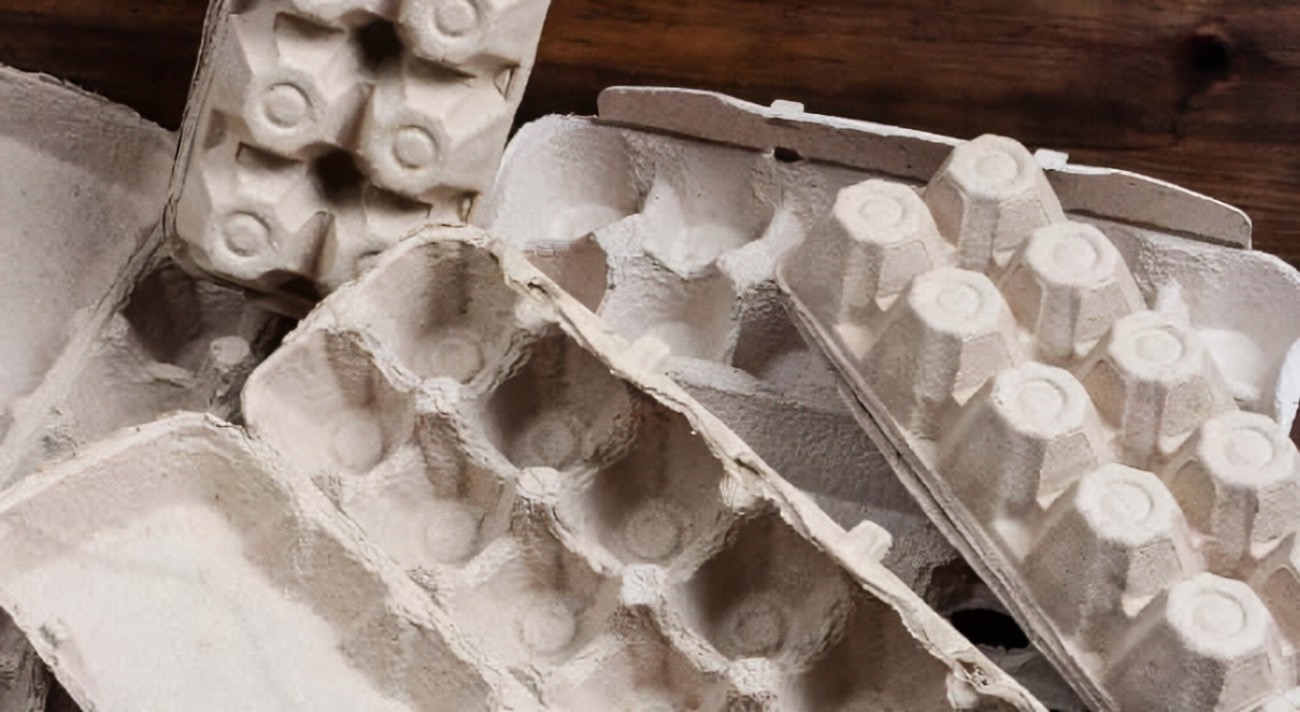
Fire starters are great for backyard fires, camping trips or as gifts for friends who love having their own bonfires. Instead of buying fire starters, you can make your own using materials likely already in your home or waste bin. First gather your materials:

Materials:

  • Paper-pulp egg cartons (no plastic or foam)
  • Dryer lint (about a handful)
  • 2 cookie sheets lined with parchment paper
  • A heat-proof metal or glass jar (if you’re using spent candles, the container they’re already in will work fine)
  • 8-12 oz of melted candle wax (soy or beeswax or leftover candle wax from spent candles)

Instructions:

  1. Melt the Wax: Place your candle wax into a heat-proof jar or place spent candle jars directly onto a parchment-lined cookie sheet. Preheat the oven to 250°F (300°F for beeswax due to its higher melting point). Let the wax melt in the oven, which may take up to 30 minutes.
  2. Prepare the Egg Carton: On a separate parchment-lined cookie sheet, place the bottom half of the egg carton. Stuff each compartment with dryer lint until full and flush with the top of the compartment.
  3. Pour the Wax: Once the wax has melted, carefully pour it over the lint-filled compartments, saturating the lint without overflowing. Use a back and forth motion as you pour. Be cautious, as wax is hard to clean from surfaces.
  4. Let Dry: Allow the wax to cool and harden overnight.
  5. Use Your Fire Starters: Break off one or two compartments when ready to use for an outside campfire. Light an edge and place under kindling to start your fire**.
  6. For an extra boost, add torn-up paper towels (used but not soiled) or bits of the egg carton lid to the lint before pouring the wax. And don’t worry if the parchment sticks to the fire-starters, it’s perfectly flammable as well.

**Fire starters should always be used outdoors and with caution.

Why It Works

By reusing egg cartons and shells, you’re turning potential waste into practical, cost-effective cool stuff. Not only do these methods save you money, but they also support wildlife and improve your soil. So, the next time you’re about to toss an egg carton or shell, think of these creative reuses!


Ready to get started composting with Shadyside Worms? Sign up here. Or email us directly.

Ready to receive more Shadyside Worms soil products with your current subscription? Sign up for our product and service packages here.


*There’s a bunch of uses for egg shells as well as the egg shell membranes.

Bird nerd info: https://www.audubon.org/news/give-nesting-birds-calcium-boost-saving-your-leftover-eggshells

Egg carton info: https://saudereggs.com/egg-carton-materials/

Egg shell wikipedia: https://en.wikipedia.org/wiki/Eggshell

Soil conditioner wikipedia: https://en.wikipedia.org/wiki/Soil_conditioner

More egg shell uses! https://vitalfarms.com/5-ways-to-reuse-eggshells/

Posted in Lifestyle, Posts | Tagged , , , , , , , , , , , , , , , , , , , , | Comments Off on Creative Ways to Reuse Compostables: Egg Shells and Cartons

Last Week for our Extended Winter Deal! ❄️

Get your year started-off on the right foot. Sign up for an annual subscription with Shadyside Worms before the annual option goes away until next December!


Ready to start your own composting journey or take your commitment to sustainability to the next level? Our winter deal is the perfect way to get started while saving on an annual subscription. We’d like to extend some exciting offers to our current subscribers as well!

Winter Subscription Deal: Ends January 31st, 2025

Here’s what we’re offering:

  • 5% Off Annual Subscriptions for 2025: Sign up by January 1st to get the full year of composting services for only $285 (normally $300).
  • $10 Sign-Up Fee Waived: Join now with no extra costs to get started!
  • Full Springtime Compost Shares for 2025: Normally reserved for those who sign up by October, but this year we’re extending the benefit to new subscribers who join before the end of January. This includes three 25 pound bags of compost 😱.

What’s Included in Your Subscription?

  • Weekly Pickup: We’ll collect one 5-gallon bucket of food scraps from your door every week. (Small space? No problem—opt for our 3.5-gallon bucket option!)🪣
  • Springtime Compost Share: You’ll receive three 25lb bags of rich, locally processed compost to nourish your garden. Prefer to give back? Donate your share, and we’ll deliver it to a local community garden or urban farm on your behalf.🧑‍🌾
  • Pumpkin Pickup: In the fall, we’ll collect your Jack-o’-Lanterns with your regular pickups.🎃
  • Additional Perks: Need extra capacity? Add a second bucket for $10/month. Subscribers can enjoy access to Travis’s homemade compost, potting soil and seed-starting mix delivered right to your door. Also you may opt in for fall yard debris pick up, offered several times in the fall.🍂

Not Sure if a Full-Year Subscription Is Right for You?

We’ve got you covered with our flexible quarterly invoicing option! For just $75 per quarter, you can try out our service without committing to a full year – making it the perfect way to dip your toes into composting.


Already with Shadyside Worms and Looking For More From Your Subscription?

Are you a houseplant-parent with a growing family? Or maybe you’re an urban gardener who just gained access to your side-lot. If this sounds like you, add a product and service package to your subscription this year and receive these made-in-house extras and services in addition to your regular returns:

  • Gardener’s Package: seed-starting mix, one 25lb bag of compost, one 10 quart bag of potting soil and a scheduled yard debris pick-up in the fall. 🪴 $30 one-time fee
  • Farmer’s Package: seed-starting mix, three 25lb bags of compost, two 10-quart bags of potting soil and a scheduled yard debris pick-up in the fall. 🧑‍🌾 $60 one-time fee

Use this link to fill out our product and service package order form or email us directly and tell us which package you’d like. We’ll bill you through email upon receipt of order.

New customers can also take advantage of these product and service packages! You can leave us a note when completing the program sign-up form or let us know through email.


Why Choose Shadyside Worms?

By subscribing, you’re joining a community that’s committed to:

  • Diverting food waste from landfills.
  • Enriching local soils with nutrient-dense compost.
  • Supporting urban farms and community gardens in the Pittsburgh area.
  • Also, we’re huge dirt nerds—we ensure our soil products are of the highest quality, crafted with care to nurture your plants and gardens.

A Gift That Grows

Whether you’re signing up for yourself or gifting a subscription to a loved one, this is a thoughtful, sustainable choice that has a positive impact on our environment. There’s no better time to start—or to give the gift of composting!

Hurry—this offer ends on January 31st, 2025.

Click Here to Sign Up

Or, email us ✨ directly with your address and we will confirm that you are within our service area. Let us know that you’d like to take advantage of this extended winter deal.

Together, let’s make 2025 a greener, more sustainable year.

Happy New Year from all of us at Shadyside Worms! 🪱

Posted in compost exchange, holiday, Posts | Tagged , , , , , , , , , , , , , , , , , , , , , , , , , | Comments Off on Last Week for our Extended Winter Deal! ❄️

Single-Use Compostables: Which Labels to Look For

One the left are non-compostable plastic bags. On the right is a BPI compostable and TUV Austria home compostable certified bag.

Understanding Compostable Certifications

When shopping for compostable alternatives to disposable goods, it’s essential to understand the certifications behind the products. Let’s “break-down” the basics.

It’s important to understand the difference between natural and synthetic materials and how they impact composting. Natural materials, like paper, wood, and plant fibers, are inherently more compostable and break down more easily. These materials are more biologically similar to the microorganisms that digest them as well as to the larger soil content than synthetic materials, which, even if labeled compostable, often require specific conditions to decompose properly. This distinction is crucial, as synthetic compostable items may not fully break down in composting systems.

Even natural materials may be processed with synthetic materials or processed so heavily that they behave like synthetics so it’s important to be aware of and understand what products are made of before composting them (or before buying them in the first place).

Compostable bags are a common and yet confusing compostable item. Here’s some simple ways to narrow down if you’ve found a compostable bag or not.

How to tell the difference between compostable-bags and petroleum-based plastic bags:

  • Feel- compostable plastic bags usually are smooth and dry to the touch while regular (shmegular) plastic bags feel a little more sticky (imagine trying to open those old produce bags at Giant Eagle compared to ones at the Co-op).
  • Strength- compostable plastic bags rip relatively easily. Regular plastic bags will stretch quite far before they rip. Both materials rip eventually but compostable plastic bags rip with much less effort than regular plastic.
  • Look- compostable plastic bags, for the most part, are opaque (meaning that you cannot see through them and very little light comes through) while the regular plastic bags are usually transparent (meaning that light more easily passes through). Even if they’re not totally clear, most semi-transparent or clear bags- as of the writing of this article- are NOT compostable.***
  • Labels- So confusing! Many produce bags may have “biodegradable” or “green” or “eco” labels but besides the bags at the East End Food Co-op, I have yet to see any other compostable produce bags in Pittsburgh grocery stores. Even if they are green and have a vague compostable label, if they are semi-transparent or totally clear, they are most-likely not small-scale compostable. And biodegradable does not necessarily mean compostable (see above quote from TÜV Austria on the difference).
  • Why does it matter: the regular plastics will break down into tiny pieces that will potentially enter our food crops if we are using the compost to grow food. Also conventional plastic bags and other plastic disposables can impede the composting process.

Please Note: The Vast Majority of Plastics Bags are Not Compostable


Another way to narrow down a product’s compostability is to check for various certifications on the product’s packaging. Here’s some basics about a few of the largest compostable certifications.

  • BPI Certification (Biodegradable Products Institute): “BPI is the leading authority on compostable products and packaging in North America,”* and ensures products are compostable in industrial facilities, which operate at high temperatures and controlled conditions. BPI does not currently offer a home compostable certification, so products with this label may not break down effectively in home compost systems. According to their website, they are currently working on creating a home certification. A product certified by BPI, while might not be ideal for small scale composters, is still a sign that a company is going the extra mile to ensure that their product is tested to be compostable, even if only in an industrial facility. If you compost with Shadyside Worms feel free to check with us before adding a new compostable product to your bin. If you have your own worm bin experiment with compostable products and see how the worms react to them in your bin.

Some products that are BPI certified compostable are also certified by the following organization.

  • TÜV Austria – Vienna based independent organization that serves as “Austria’s leading testing, inspection & certification service provider,”** and was founded over 150 years ago. Excitingly, they seem quite invested in finding nature-friendly certifications for businesses and other organizations. They have this to say on their site about the difference between the words “biodegradable” and “compostable,”:

“A biodegradable product may be broken down by microorganisms but this does not necessarily imply that the product can be converted into good quality compost.
Biodegradability and compostability rely heavily on the environment where the product is broken down. As each environment […] has different temperatures and microorganisms, the speed of the biodegradation process may vary from one site to another.
For example, bioplastics which are biodegradable in an industrial composting plant (the most aggressive atmosphere regime) are not always biodegradable in water or soil, or even in a compost bin in the garden (owing to the lower temperatures).”

  • TÜV Austria Home Compost Certification or “OK compost HOME“: A higher standard for products designed to break down in home composting systems, which operate at lower temperatures and less controlled environments.

The following are a couple examples of BPI certified compostable and TÜV home compostable single use products that can be used as alternatives to plastic food bags.

Shadyside Worms-Tested Single-Use Compostables

HoldOn Zipseal Bags

  • HoldOn Bags: These TÜV HOME-certified bags are a versatile alternative to plastic zipper bags. HoldOn offers:
    • Sandwich Bags: $15.35 for 100 bags
    • Assorted Sizes: Snack Bags and Gallon Bags
    • Additional Products: Trash bags and pet waste bags

If You Care Paper Snack and Sandwich Bags

  • If You Care’s Paper Snack and Sandwich Bags: Also TÜV HOME-certified, these are slightly more affordable at $6.69 for a box of 48. Their paper construction is ideal for wrapping snacks and sandwiches while being gentle on compost piles.

Making the Switch

Every small change adds up to a big difference. By swapping disposable goods with compostable alternatives, you’re helping the environment, supporting sustainable products, and helping to make compostable materials more accessible and effective. Start with these compostable single-use items and see how these little changes can add up. But no worries, if you don’t always get it right, we’re all learning.


*“BPI (Biodegradable Products Institute) – Certified Compostable.” BPIWorld. https://bpiworld.org/

**”About Us.”TÜV AUSTRIA” English, June 20, 2024. https://en.tuv.at/about-us/.

***There is a compostable cling wrap, though, I’m not sure if it is home compostable. https://www.wholefoodsmarket.com/product/compostic-100-home-compostable-cling-wrap-150-sq-ft-b0b3cnchn5

Read about PLA plastics, aka bioplastics here https://www.twi-global.com/technical-knowledge/faqs/what-is-pla#IsitEnvironmentallyFriendly

If you have a suggestion that’s not on this list, email us with your experience of home-composting the product.

Posted in Education, Posts | Tagged , , , , , , , , , , , , , , , | Comments Off on Single-Use Compostables: Which Labels to Look For

End-of-Year Deal Extended! ❄️

Ready to start your own composting journey or take your commitment to sustainability to the next level? Our winter deal is the perfect way to get started while saving on an annual subscription. We’d like to extend some exciting offers to our current subscribers as well!

Winter Subscription Deal: Ends January 31st, 2025

Here’s what we’re offering:

  • 5% Off Annual Subscriptions for 2025: Sign up by January 1st to get the full year of composting services for only $285 (normally $300).
  • $10 Sign-Up Fee Waived: Join now with no extra costs to get started!
  • Full Springtime Compost Shares for 2025: Normally reserved for those who sign up by October, but this year we’re extending the benefit to new subscribers who join before the end of January. This includes three 25 pound bags of compost 😱.

What’s Included in Your Subscription?

  • Weekly Pickup: We’ll collect one 5-gallon bucket of food scraps from your door every week. (Small space? No problem—opt for our 3.5-gallon bucket option!)🪣
  • Springtime Compost Share: You’ll receive three 25lb bags of rich, locally processed compost to nourish your garden. Prefer to give back? Donate your share, and we’ll deliver it to a local community garden or urban farm on your behalf.🧑‍🌾
  • Pumpkin Pickup: In the fall, we’ll collect your Jack-o’-Lanterns with your regular pickups.🎃
  • Additional Perks: Need extra capacity? Add a second bucket for $10/month. Subscribers can enjoy access to Travis’s homemade compost, potting soil and seed-starting mix delivered right to your door. Also you may opt in for fall yard debris pick up, offered several times in the fall.🍂

Not Sure if a Full-Year Subscription Is Right for You?

We’ve got you covered with our flexible quarterly invoicing option! For just $75 per quarter, you can try out our service without committing to a full year – making it the perfect way to dip your toes into composting.


Already with Shadyside Worms and Looking For More From Your Subscription?

Are you a houseplant-parent with a growing family? Or maybe you’re an urban gardener who just gained access to your side-lot. If this sounds like you, add a product and service package to your subscription this year and receive these made-in-house extras and services in addition to your regular returns:

  • Gardener’s Package: seed-starting mix, one 25lb bag of compost, one 10 quart bag of potting soil and a scheduled yard debris pick-up in the fall. 🪴 $30 one-time fee
  • Farmer’s Package: seed-starting mix, three 25lb bags of compost, two 10-quart bags of potting soil and a scheduled yard debris pick-up in the fall. 🧑‍🌾 $60 one-time fee

Use this link to fill out our product and service package order form or email us directly and tell us which package you’d like. We’ll bill you through email upon receipt of order.

New customers can also take advantage of these product and service packages! You can leave us a note when completing the program sign-up form or let us know through email.


Why Choose Shadyside Worms?

By subscribing, you’re joining a community that’s committed to:

  • Diverting food waste from landfills.
  • Enriching local soils with nutrient-dense compost.
  • Supporting urban farms and community gardens in the Pittsburgh area.
  • Also, we’re huge dirt nerds—we ensure our soil products are of the highest quality, crafted with care to nurture your plants and gardens.

A Gift That Grows

Whether you’re signing up for yourself or gifting a subscription to a loved one, this is a thoughtful, sustainable choice that has a positive impact on our environment. There’s no better time to start—or to give the gift of composting!

Hurry—this offer ends on January 31st, 2025.

Click Here to Sign Up

Or, email us ✨ directly with your address and we will confirm that you are within our service area. Let us know that you’d like to take advantage of this extended winter deal.

Together, let’s make 2025 a greener, more sustainable year.

Happy New Year from all of us at Shadyside Worms! 🪱

Posted in compost exchange, holiday, Posts | Tagged , , , , , , , , , , , , , , , , , , , | Comments Off on End-of-Year Deal Extended! ❄️

Turning Food Scraps into Homemade Vegetable Stock 🥕

Have you ever looked at the scraps from your cutting board and wondered if they could serve a greater purpose? With homemade vegetable stock, they can. By transforming high-quality food scraps into nutrient-rich vegetable stock, you can create a flavorful base for soups, stews, and countless dishes while reaping numerous benefits for your health, your wallet, and the planet. Here’s how to make it happen.

The Nutritional Goldmine in Food Scraps

Many of the parts of vegetables we typically discard are packed with nutrients:

  • Allium Skins (Onion, Garlic, etc.): The skins of onions and garlic are rich in minerals like calcium, magnesium, and potassium, which support bone health, muscle function, and hydration. They also contain antioxidants that can boost immunity.
  • Kale and Greens Stems: Kale stems are a powerhouse of fiber, helping digestion and gut health. They also contain glucosinolates, compounds known for their potential anti-inflammatory and cancer-preventive properties.
  • Apple Cores: Though often tossed, apple cores contain pectin, a type of soluble fiber that aids digestion and can help lower cholesterol levels.
  • Carrot Peels and Tops: These contain beta-carotene, a precursor to vitamin A, which is essential for eye health and immune function.

By using these scraps in homemade stock, you extract these nutrients into a form that’s easy to consume and versatile in cooking.

Homemade Stock vs. Store-Bought

While store-bought vegetable stocks are convenient, they often fall short nutritionally. Many contain added sodium, preservatives, and lack the robust flavor of homemade stock. Additionally, by making your own:

  • Save Money: You’re utilizing what would otherwise be waste, reducing the need to purchase stock.
  • Reduce Waste: Instead of sending nutrients back to the earth prematurely, you’re getting a second use out of them before composting.
  • Tailor Flavor: Customize your stock to your taste preferences and dietary needs, such as low sodium or organic-only ingredients.

How to Make Vegetable Stock from Scraps

Here’s my tried-and-true method for making vegetable stock:

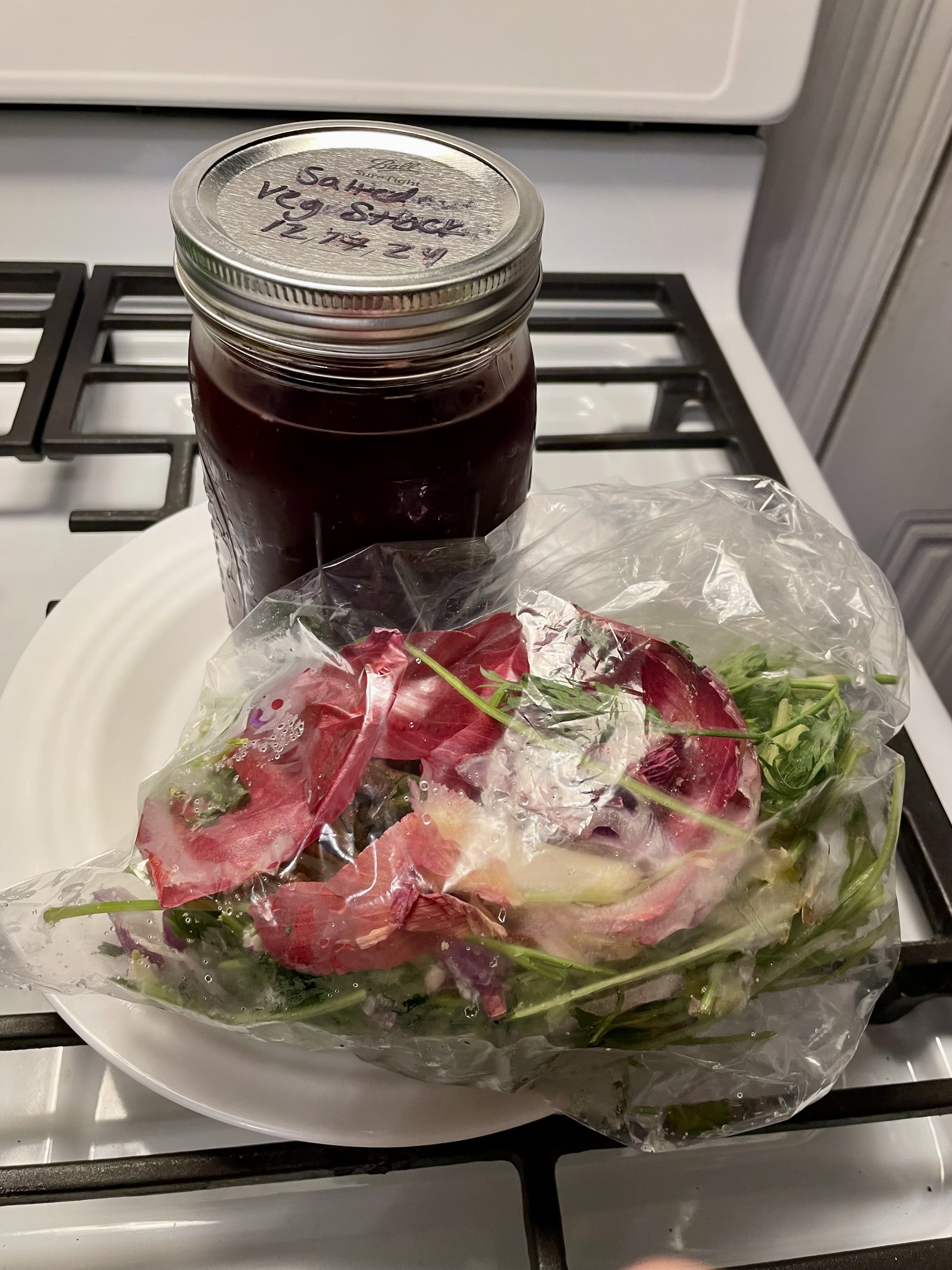
  1. Collect Scraps: Save your high-quality food scraps (no moldy or rotten bits) in a plastic bread bag or another freezer-safe container. Examples include onion and garlic skins and bottoms, pepper or green bean tops, stems of greens, peels of root-vegetables (carrots, potatoes, etc.), and apple or cabbage cores.
  2. Store Them in the Freezer: Keep adding to the bag until it’s full, or until you need vegetable stock.
  3. Prepare the Stock: Empty the frozen scraps into a large pot and cover them with water. Add a few dried cloves or bay leaves for extra depth of flavor.
  4. Cook: Bring the water to a boil, then reduce the heat and simmer for at least 20 minutes or up to an hour. For richer flavor, let it simmer longer.
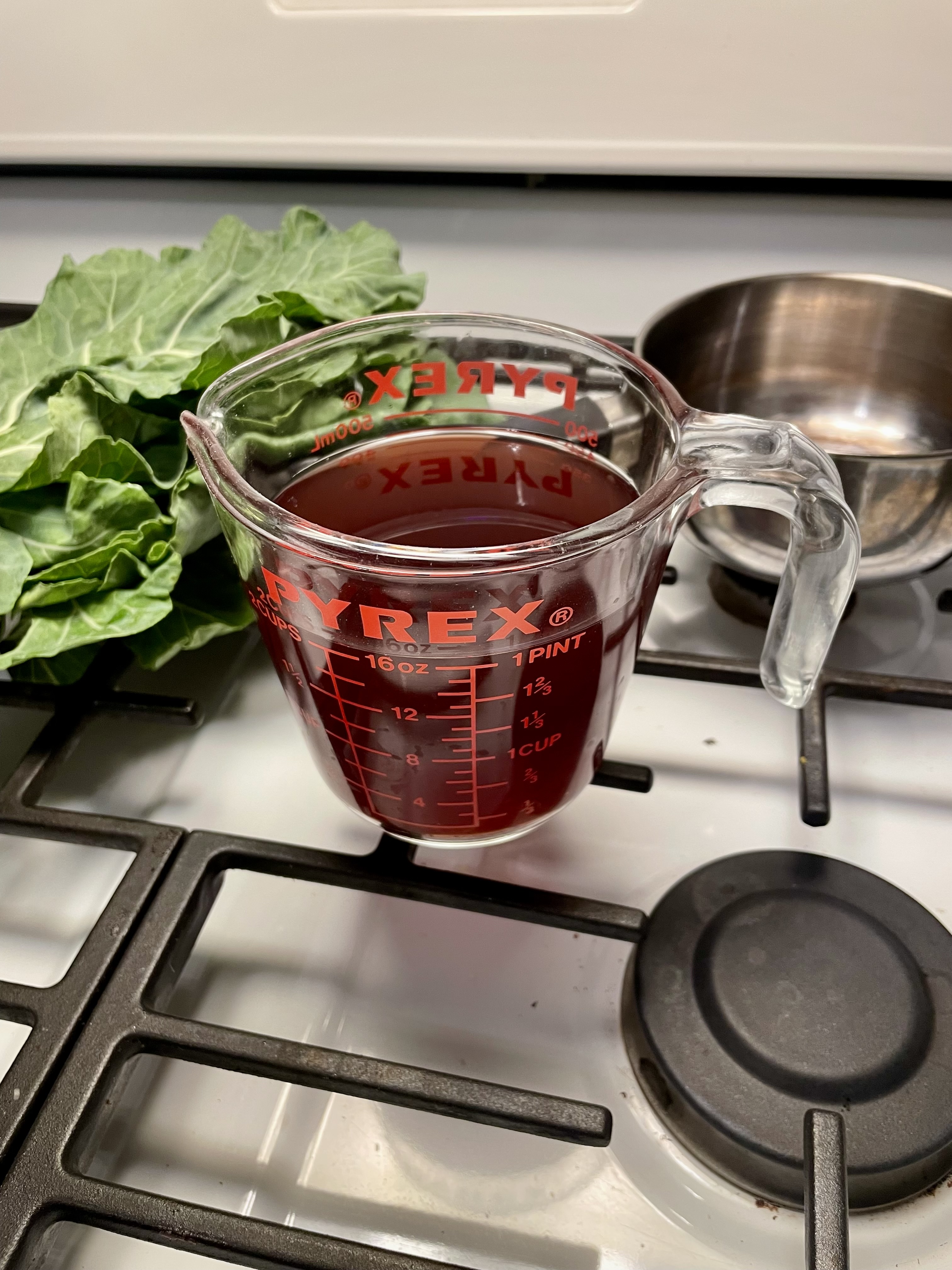
  5. Cool and Strain: Turn off the heat and let the stock sit for another 20 minutes. Strain the liquid into a clean container, such as quart jars, and discard the scraps into your compost bin.
  6. Season and Store: Label your jars and, if desired, add salt to taste. Store in the refrigerator or freezer.

Cooking with Your Stock

Homemade vegetable stock can elevate your cooking, adding depth and richness to soups, stews, risottos, and even grains like rice- my favorite way to use it- and quinoa. It’s a simple way to integrate more nutrients into your meals while cutting down on processed ingredients.

A Sustainable Choice

By turning scraps into stock, you’re increasing the sustainability of your cooking process. You’re reducing food waste, conserving resources, and taking full advantage of the nutrients in your produce. Plus, composting the strained scraps ensures nothing goes to waste.

A Final Tip

Experiment with different combinations of scraps to create unique flavors. Add herbs like parsley stems or bay leaves, or throw in a mushroom stem or two for umami richness. With a little creativity, your food scraps can truly become liquid gold!

Posted in Lifestyle, Posts | Tagged , , , , , , , , , , , , , , | Comments Off on Turning Food Scraps into Homemade Vegetable Stock 🥕

Why Composting Matters: The Environmental Benefits

Composting is more than just a way to reduce waste; it’s a powerful tool for rebuilding soils, supporting ecosystems, and even improving air and water quality. By transforming food scraps and organic materials into nutrient-rich compost, we can make a significant impact on the environment. Here’s how composting benefits soil health, the microbiome, and beyond.

Building Healthier Soils

Healthy soil is the foundation of thriving ecosystems, and composting plays a key role in restoring its vitality. When compost is added to soil, it:

  • Enriches Nutrients: Compost delivers essential nutrients like nitrogen, phosphorus, and potassium back to the soil, enhancing fertility and supporting plant growth.
  • Improves Soil Structure: Compost helps soil particles bind together, increasing aeration and creating better water retention, which reduces the need for irrigation.
  • Prevents Erosion: By building stronger soil structure, compost reduces the risk of erosion and keeps precious topsoil in place.

Supporting the Microbiome

Soil isn’t just dirt—it’s a living ecosystem teeming with microorganisms. The microbiome in soil is critical for:

  • Decomposing Organic Matter: Microorganisms break down complex organic materials, turning them into forms that plants can absorb.
  • Suppressing Pathogens: Healthy soil microbiomes naturally defend against plant diseases by outcompeting harmful organisms.
  • Sequestering Carbon: Microbes help store carbon in the soil, reducing greenhouse gases.

Adding compost boosts microbial diversity and activity, revitalizing depleted soils and enabling them to support healthier crops and gardens.

Downstream Benefits: Air and Water Quality

Although composting’s direct impact is on soil, its benefits ripple outward to improve air and water quality as well:

  • Reducing Methane Emissions: Organic waste in landfills produces methane, a potent greenhouse gas. Composting diverts waste from landfills, cutting methane emissions.
  • Improving Water Retention: Compost-enriched soils retain more water, reducing the risk of stormwater runoff. This helps prevent pollutants like fertilizers, oils, and heavy metals from washing into waterways.
  • Filtering Pollutants: Healthy soils act as natural filters, trapping and breaking down pollutants before they reach the watershed.

Composting: A Simple Act with Big Rewards

By composting, you’re not just reducing waste—you’re participating in a natural cycle that restores the earth’s balance. From nurturing the soil microbiome to reducing harmful runoff, the benefits of composting extend far and wide.

If you’re ready and live on the east side of the Pittsburgh area, start composting with Shadyside Worms or check your local composting options if you’re outside of our range! Feel free to email us directly for your address for confirmation.

Add our Gardener’s or Farmer’s packages to your subscription to take full advantage of this awesome compost resource. Use our a la carte menu to order specific items including our compost as well as our homemade potting soil and seed starting mix. Together, we can build healthier soils, protect our environment, and create a greener future. 🐛

Posted in Education, Posts | Tagged , , , , , , , , , , , , , , , | Comments Off on Why Composting Matters: The Environmental Benefits

Tips for Holiday Composting with Shadyside Worms ❄️

The holiday season is full of joy, celebration, and unfortunately, extra waste. At Shadyside Worms, we’re here to help you turn holiday leftovers into a resource, not landfill fodder. Here are some tips to keep your composting on track and sustainable through the festivities.

1. Compost Your Holiday Dinner Scraps

Big meals can lead to lots of leftovers and food waste. Compost:

  • Fruit and vegetable peelings
  • Coffee grounds and filters
  • Bread, rice, and other starchy scraps

Make composting easy during gatherings by setting up a bin for guests to separate food scraps and compostable paper products.

Avoid large amounts of greasy foods or undrained soups as they can disrupt the composting process.

2. Recycle and Compost Paper Products

  • Shred plain wrapping paper and tissue paper for your compost (no glitter or metallic finishes).
  • Compost uncoated sections of cardboard boxes, like the insides of pizza boxes.
  • Recycle glossy or laminated wrapping materials instead.

Avoid tightly packing paper plates or napkins. Try ripping them and loosely dispersing them throughout your bin. This avoids air pockets and helps the composting process.

3. Compost Holiday Decor Thoughtfully

  • Remove ribbons, bows, and non-organic elements from brown gift bags before composting.
  • Add natural decor, like pine boughs or flower arrangements, to your compost pile after removing wire, plastic ties, and floral foam.
  • Remember: we do not accept wreaths or Christmas trees.

Check this link for a guide to recycling your Christmas trees with the city!

4. Eco-Friendly Gifting Tips

  • Use reusable bags or fabric wraps for gifts to reduce the need for composting or recycling paper products.
  • Compost plain brown gift tags and natural twine, but avoid synthetic ribbons.

5. Know What Not to Compost

  • Synthetic gift wrap or glossy holiday cards
  • NO Christmas trees or wreaths
  • Candles, synthetic ribbons, or biohazardous materials

Celebrate Sustainably

The holidays are a time to celebrate, and composting is a great way to honor the earth while enjoying the season. By following these tips, you can reduce waste and contribute to a healthier planet. Have questions? Reach out to us through email at Shadyside Worms, and we’ll help you make the most of your composting efforts this holiday season!🐛

Posted in holiday, Posts | Tagged , , , , , , , , , | Comments Off on Tips for Holiday Composting with Shadyside Worms ❄️

Composting Made EASY: How Shadyside Worms Works

Welcome to Shadyside Worms

We make composting easy and rewarding with our weekly pickup service and seasonal compost product returns. Our range includes the East End of the Pittsburgh area, as well as a few Northside neighborhoods. Here’s how it works:

Residential Composting Services

Here’s the deal:

  • Annual Subscriptions: $300 (available in fall and early winter- at the end of each year)
  • Quarterly Subcriptions: $75, billed every 3rd month

What’s included in your subscription?

  • Weekly Pickup: One 5-gallon bucket of food scraps collected directly from your door.
  • Springtime Compost Share: Three 25lb bags of locally processed compost from our food scrap collection, perfect for enriching your garden.
  • Jack-o’-Lantern Pickup: We’ll collect your pumpkins along with your regular bucket pickups in the fall. 🎃
  • Option to donate: if you prefer, you can choose to donate your compost share instead of receiving it and we’ll deliver it to one of our local community garden or urban farm partners.

Additional Perks & Services:

Flexible Billing:

Subscriptions are billed quarterly or annually via QuickBooks Online. Payment methods include online cards or checks.

Join our composting community and make a positive impact on the environment. Get started by filling out our contact form or email us with questions or with your address for confirmation that you’re within our range. Together, let’s turn waste into a resource! 🪱

* cost savings in service packages are compared to purchasing extras from us a la carte or from another vendor

Posted in compost exchange, Posts | Tagged , , , , , , , , , | Comments Off on Composting Made EASY: How Shadyside Worms Works

Want more from your subscription with Shadyside Worms? Add a Gardener’s or Farmer’s package! 🧑‍🌾

New Product and Service Packages

To save time and money, consider signing up for one of our packages! Packages include discounts and the convenience of skipping request forms throughout the year.

Gardener’s Package – $30 ($41 value)

  • 1 bag of seed starting mix (3.5 quarts)
  • 1 extra 20lb. bag of compost
  • 1 bag of potting soil (10 quarts)
  • Yard debris pickup in fall

Farmer’s Package – $60 ($76 value)

  • 1 bag of seed starting mix (3.5 quarts)
  • 3 extra 20lb. bags of compost
  • 2 bags of potting soil (10 quarts each)
  • Yard debris pickup in fall

*Now is a great time to add a package to your subscription—being the end of the year, it’s the perfect opportunity to plan ahead and enjoy the convenience of having everything you need without the hassle of adding items à la carte throughout 2025.

[Click here to sign up for a package!]

We are so grateful for our current subscribers and the trust you place in us to support your composting journey; we look forward to continuing to serve you in the new year and welcoming new subscribers into our growing community. Wishing you and your loved ones a joyful holiday season and a sustainable start to the new year! -Shadyside Worms 🐛

Posted in compost exchange, Posts | Tagged , , , , , , , , | Comments Off on Want more from your subscription with Shadyside Worms? Add a Gardener’s or Farmer’s package! 🧑‍🌾

Looking Back at 2023 – Compost Galore!

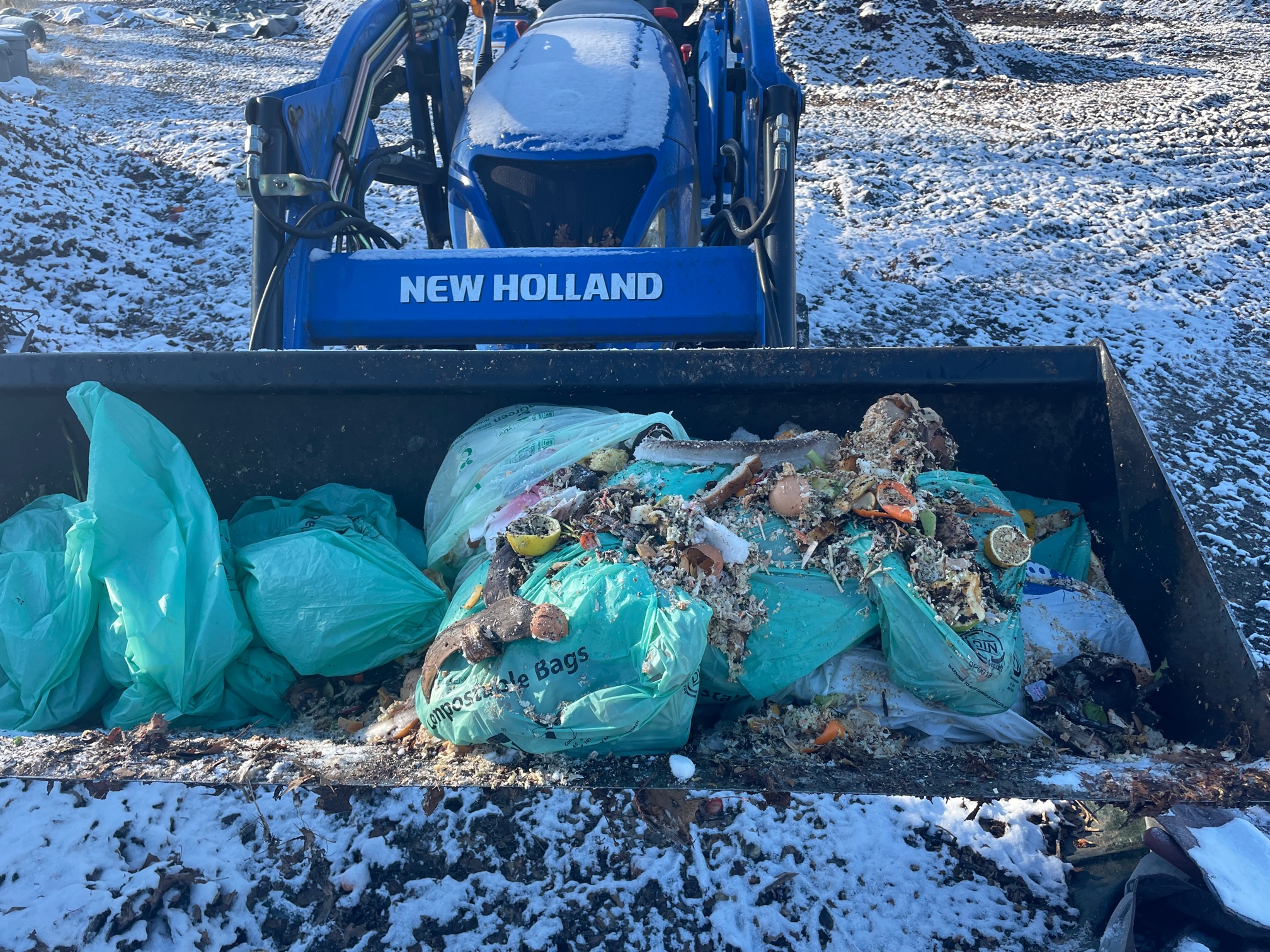
2023 was another busy year at Shadyside Worms! These pictures only give you a small peek into all the composting, gardening, pick ups, and soil making that went on throughout the year. Looking ahead at 2024, we are excited to continue our amazing Compost Exchange Program, now with the addition of Potting Soil on our available products! Stay tuned for some more updates as we get ready for spring!

Posted in Posts | Tagged , , , , , , | Comments Off on Looking Back at 2023 – Compost Galore!